As Visibly's customer base grew, so did the variety of processes we needed to support.
We needed a way for customers to configure their own workflows around the way their businesses actually operated, while still keeping those experiences within a consistent and scalable product architecture.
Two core builder experiences became the focus:
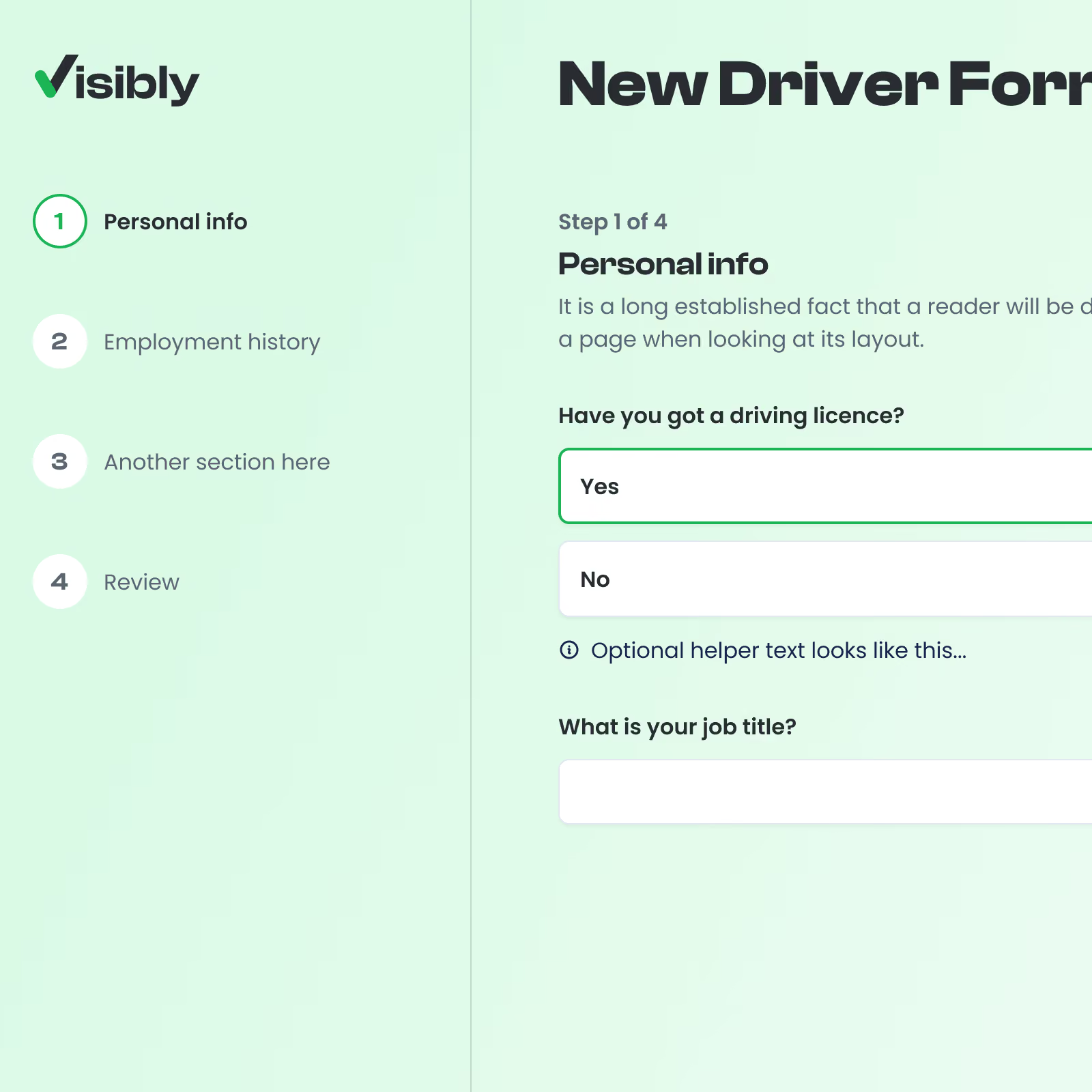
The first was a Form Builder, allowing organisations to create and distribute configurable forms directly to workers through the Visibly mobile app.
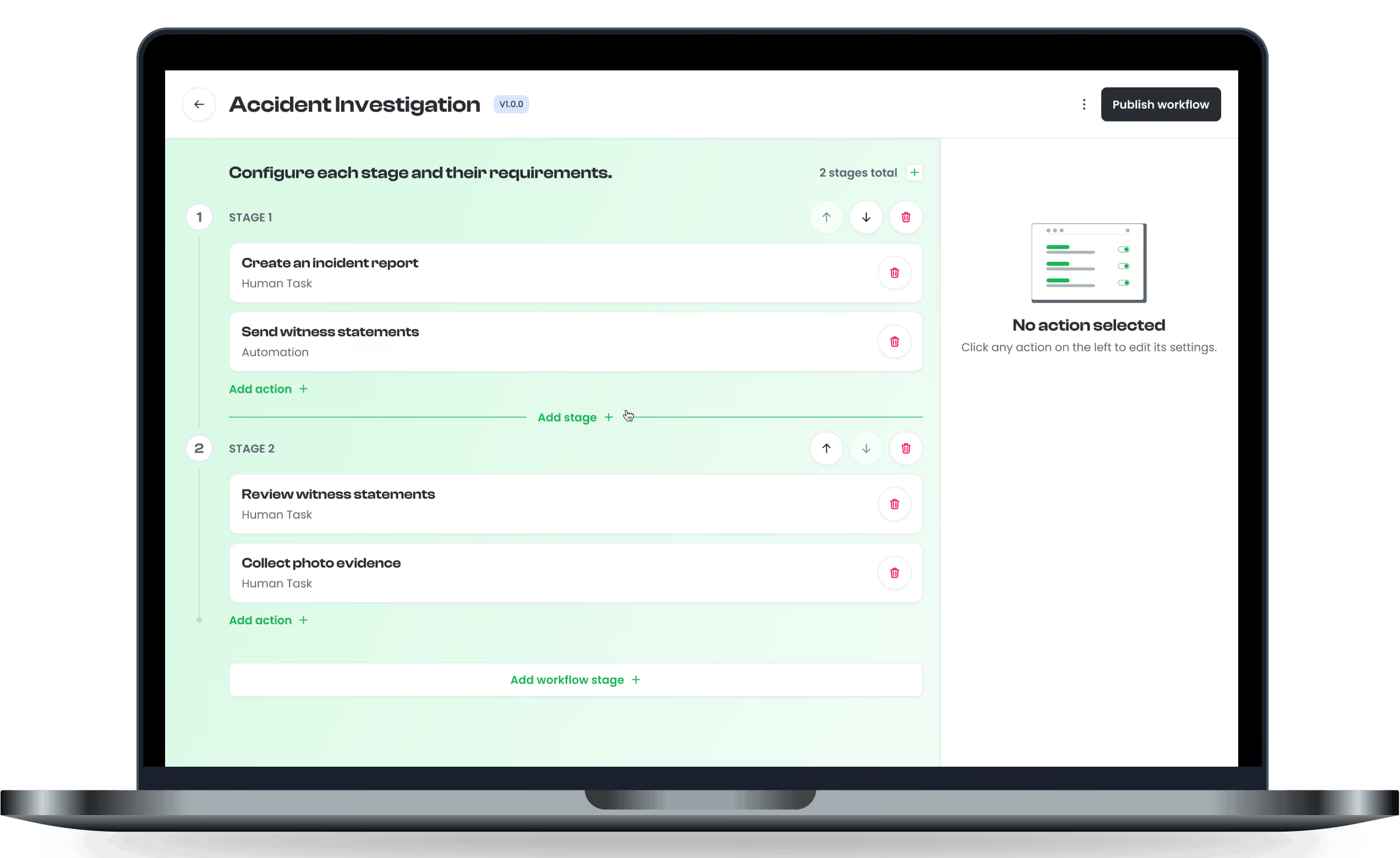
The second was a more advanced Workflow Builder, allowing teams to automate tasks, actions and connected forms based on triggers, stages and conditional logic.
Rather than treating these as isolated products, the goal was to establish a reusable builder framework that could support both - and provide the foundations for future configurable tooling.


We began with the Form Builder.
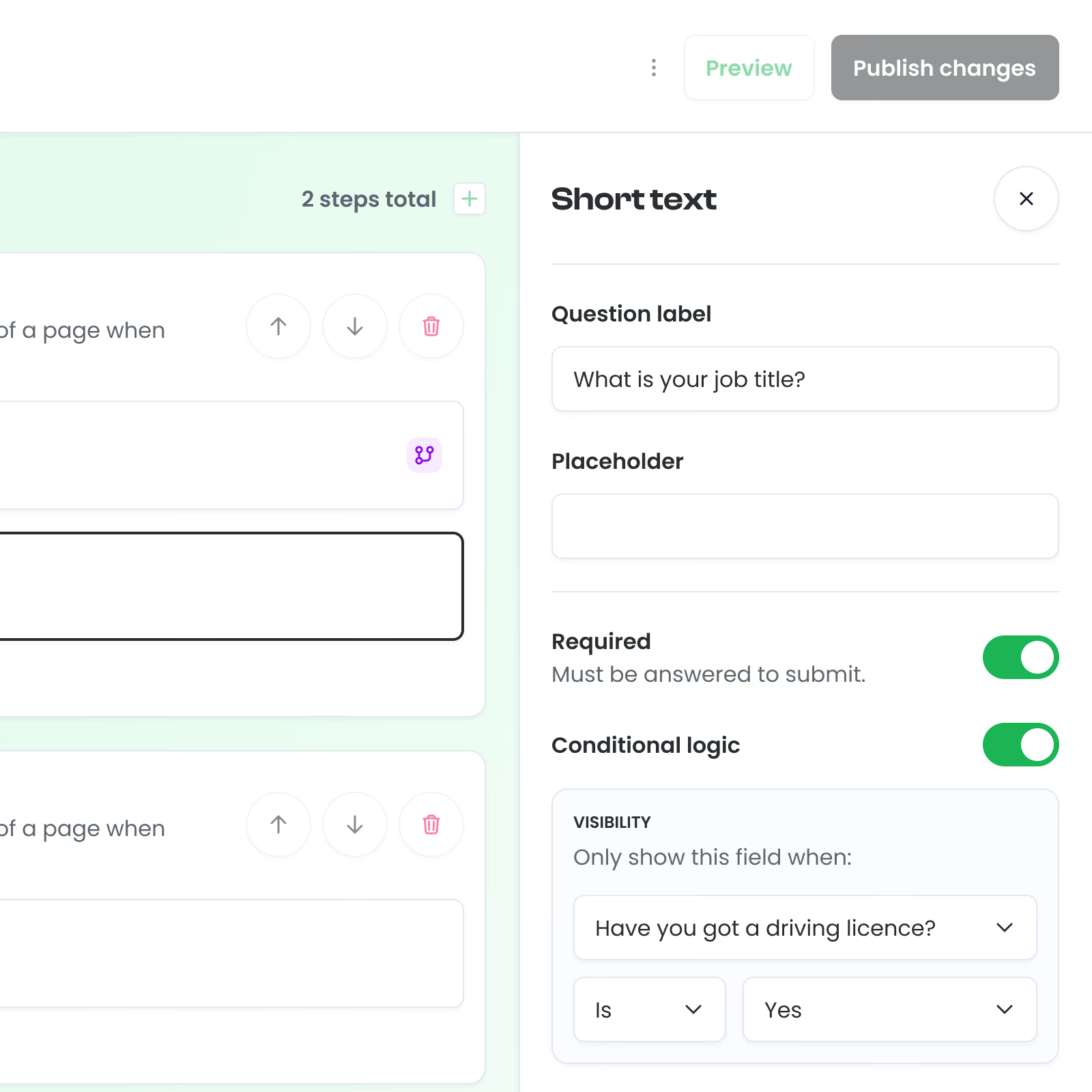
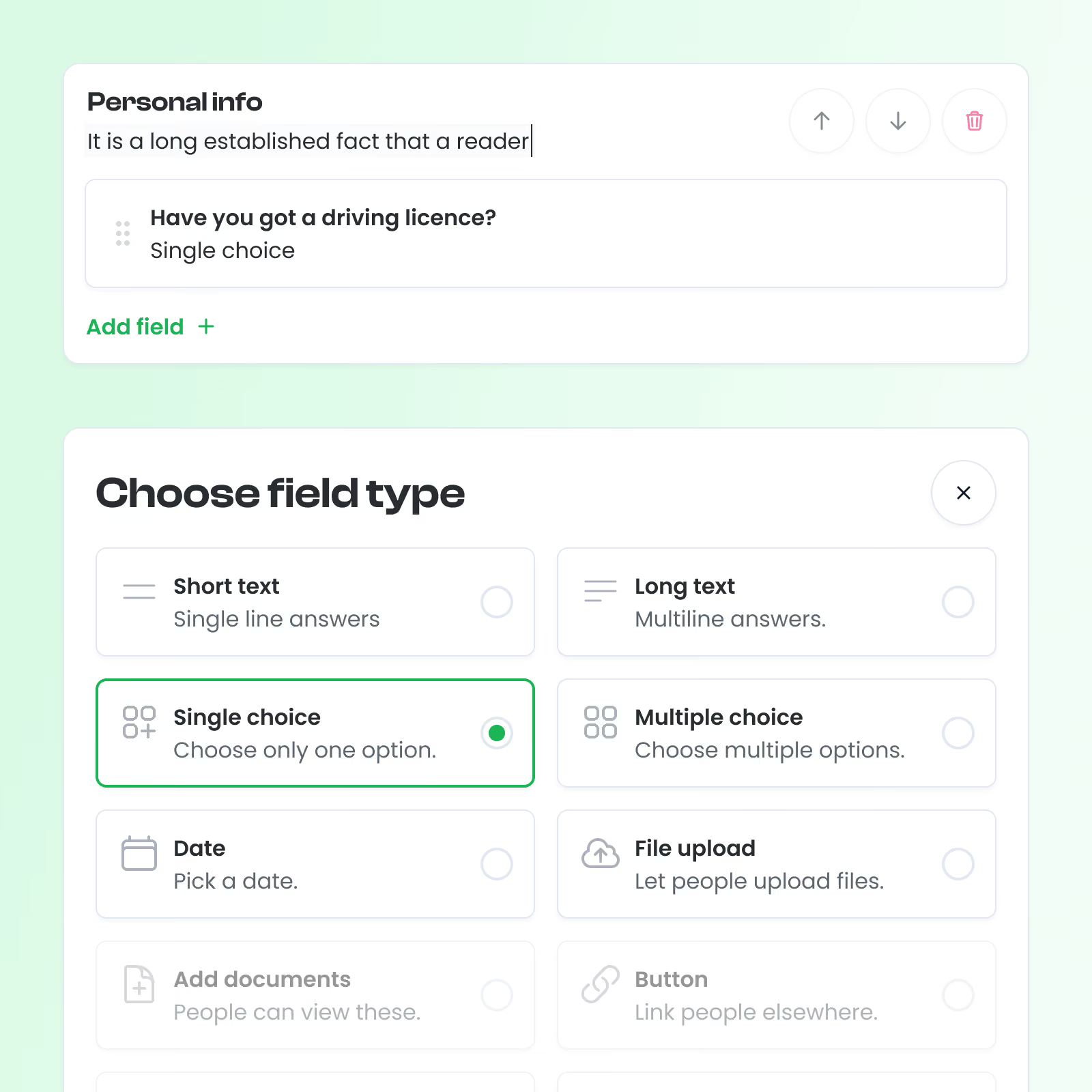
This allowed us to solve the core interaction patterns first: creating and organising steps, adding questions and fields, configuring properties, introducing conditional branches and managing increasingly complex structures without overwhelming the user.
The initial priority was to get a robust core framework into the hands of real customers as quickly as possible.
By launching the Form Builder first, we could observe how customers used it, refine the underlying interaction patterns and establish a component architecture that could later support more sophisticated tooling.
Those learnings became the foundation for the Workflow Builder.
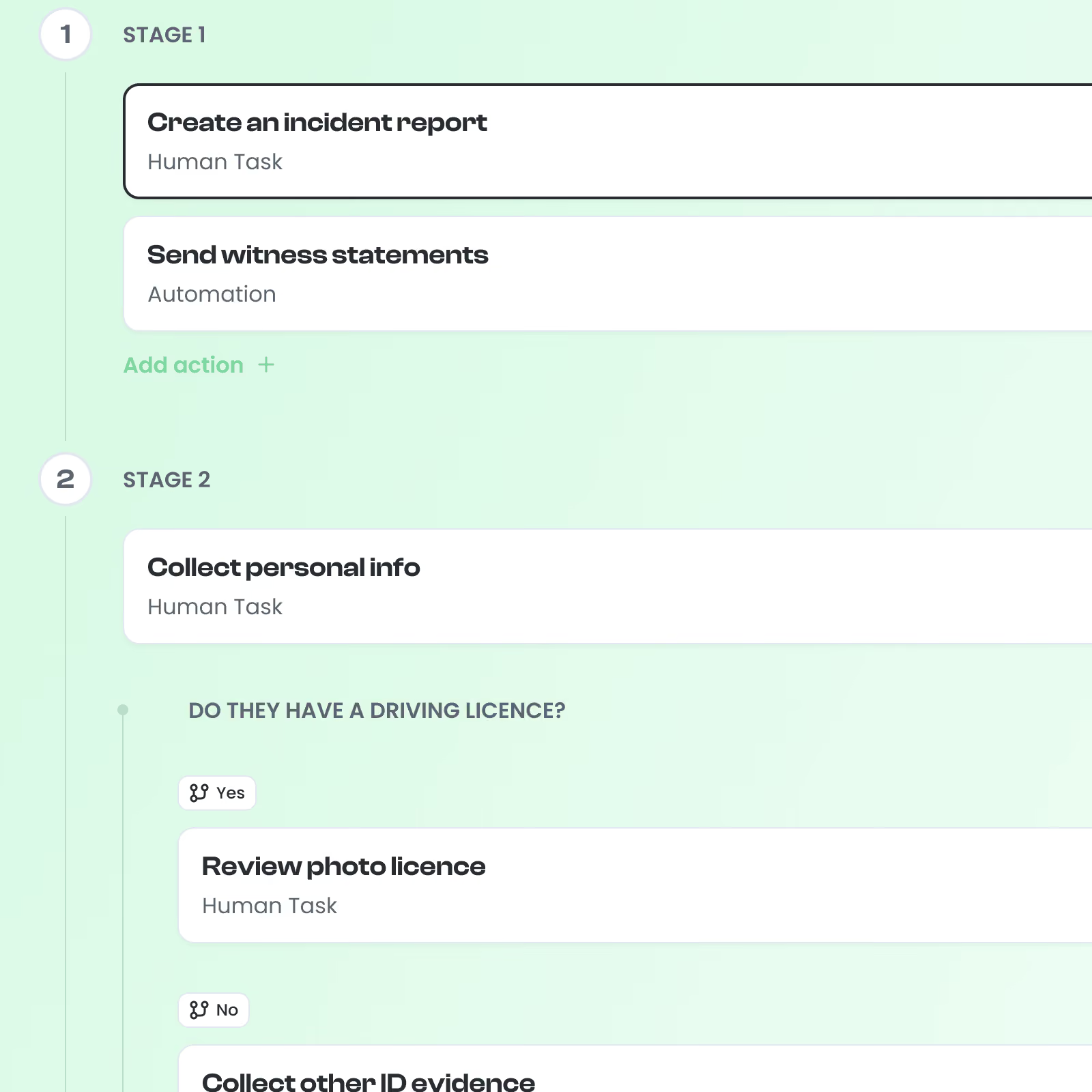
Rather than starting again, we were able to reuse many of the same structural patterns and components while introducing additional concepts such as stages, tasks, triggers, conditions, assignments and automated actions.
This created consistency for both customers and the product team while significantly reducing the amount of new design and engineering required.


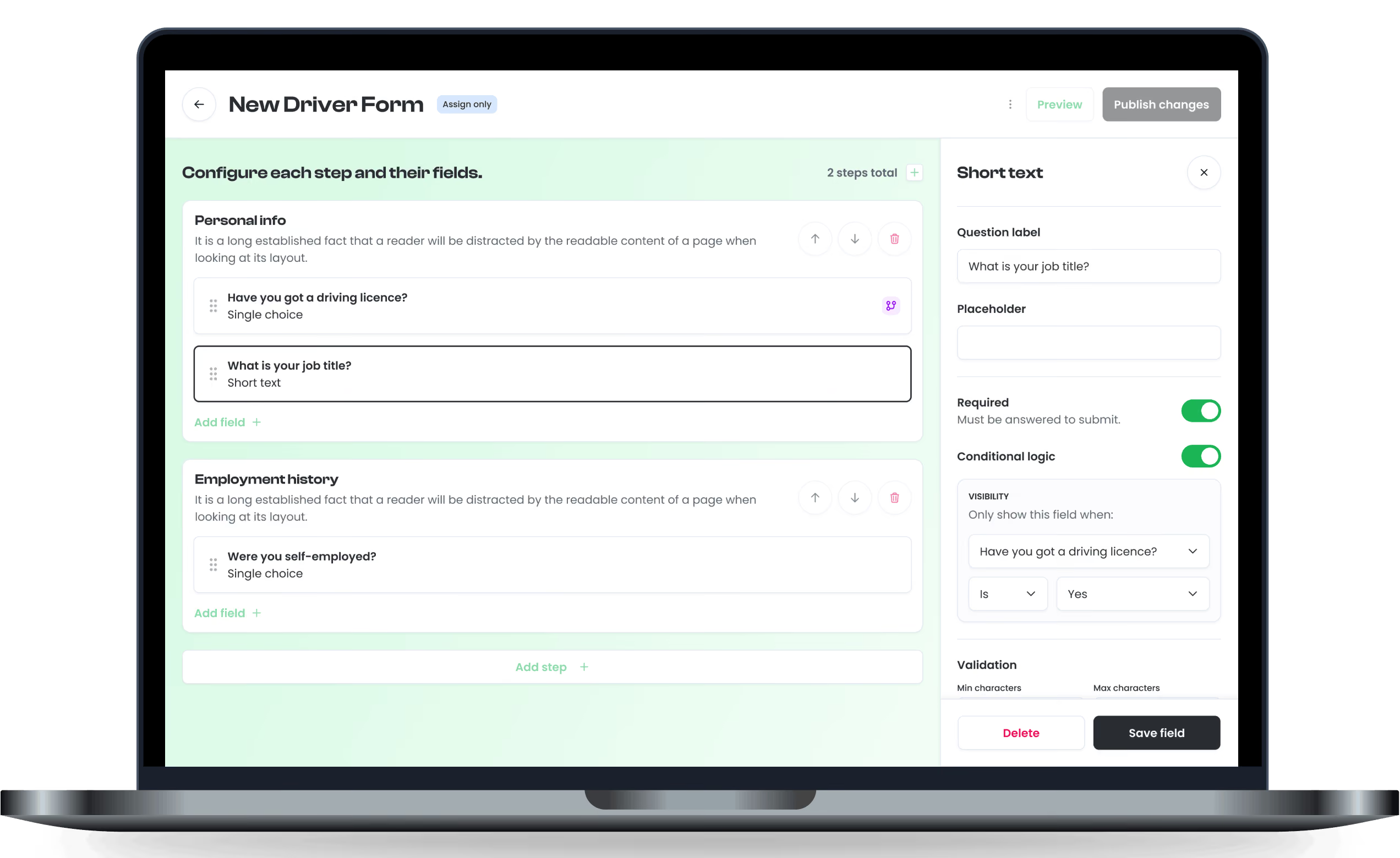
Customers could create multi-step forms containing configurable questions, fields and conditional logic, before distributing them directly to their workforce through the mobile app.
The experience needed to support increasingly sophisticated use cases while remaining approachable enough for non-technical users to configure themselves.
A few months later, the same underlying architecture was extended into the Workflow Builder.
Many of the structural patterns established during the Form Builder project could be reused, allowing us to introduce more advanced concepts such as automation, task assignment, conditional paths and connected forms without creating an entirely new interaction model.
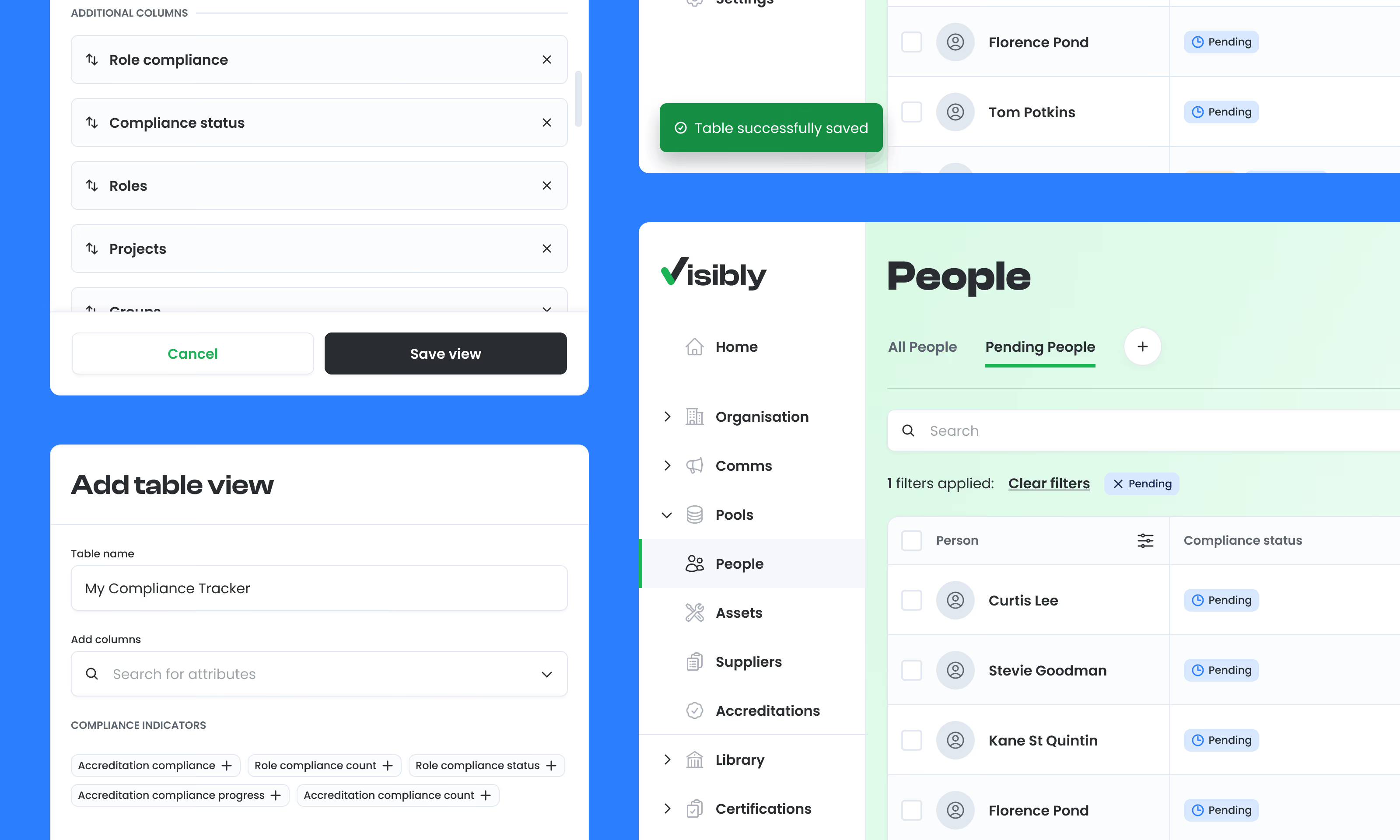
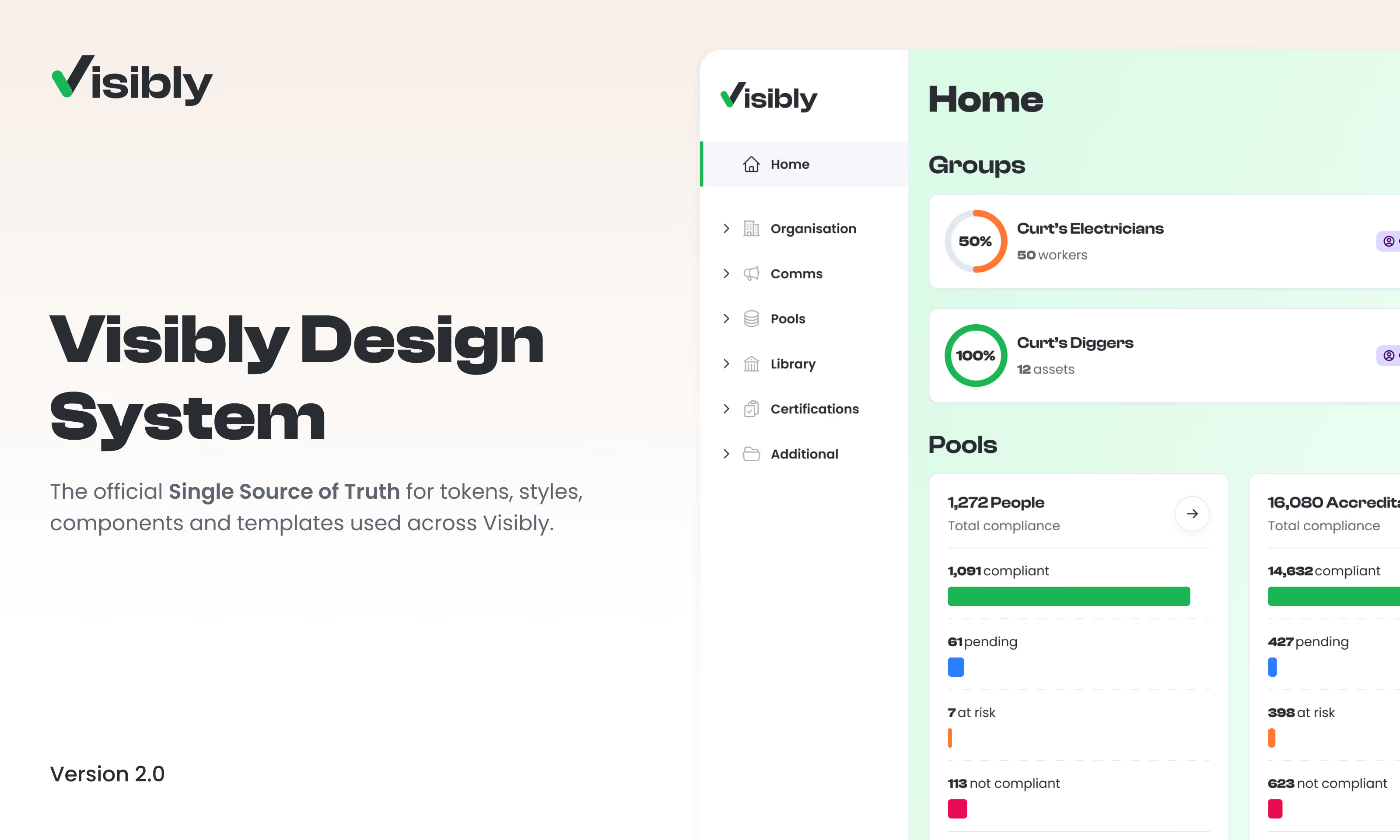
The project also led to the creation of a dedicated Tooling component library within the wider Visibly Design System and Storybook implementation.
Common builder patterns could now be reused across both design and engineering, helping us maintain behavioural and visual consistency as the tools became more sophisticated.
This also gave us a foundation for future configurable experiences rather than solving each new builder requirement independently.

The builder tools significantly reduced the need for bespoke configuration by the Visibly team.
Enterprise customers could create and maintain their own forms and workflows for specific operational needs without requiring Visibly to manually build each process on their behalf.
The shared framework also gave the product team a scalable foundation for extending the existing builders and introducing new configurable tools in the future.
What began as a customer-facing capability proved useful internally too, with the Visibly team adopting the same tooling to support some of its own operational processes.
Ultimately, the project shifted complex configuration from a service dependency into a reusable product capability - giving customers greater autonomy while making the platform itself considerably more scalable.